

You're not David facing Goliath: you're a smart entrepreneur who understands that big budgets don't automatically win customers. While major brands throw millions at fragmented marketing campaigns, you have something they don't: the ability to be nimble, personal, and strategically focused.
The secret weapon? Omnichannel marketing that actually makes sense for your business and budget.
Here's the thing most marketing agencies won't tell you: you don't need to be everywhere at once. You need to be smart about where you show up and how you connect those touchpoints. That's where the magic happens: and where small businesses consistently outperform their giant competitors.
Step 1: Map Your Customer Journey Like Your Revenue Depends On It
Because it does.
Big brands guess. You know. While they're running focus groups and analyzing demographic data from 50,000 customers, you can actually talk to yours.
Start by collecting real data on how your customers interact with your brand. Track their touchpoints: from that first Google search to the final purchase and beyond. Here's what you're looking for:
- Where do they first hear about you? Social media, word-of-mouth, Google search?
- What questions do they ask before buying? Email inquiries, phone calls, chat messages?
- How do they prefer to purchase? Online, in-store, over the phone?
- What keeps them coming back? Follow-up emails, loyalty programs, personal service?
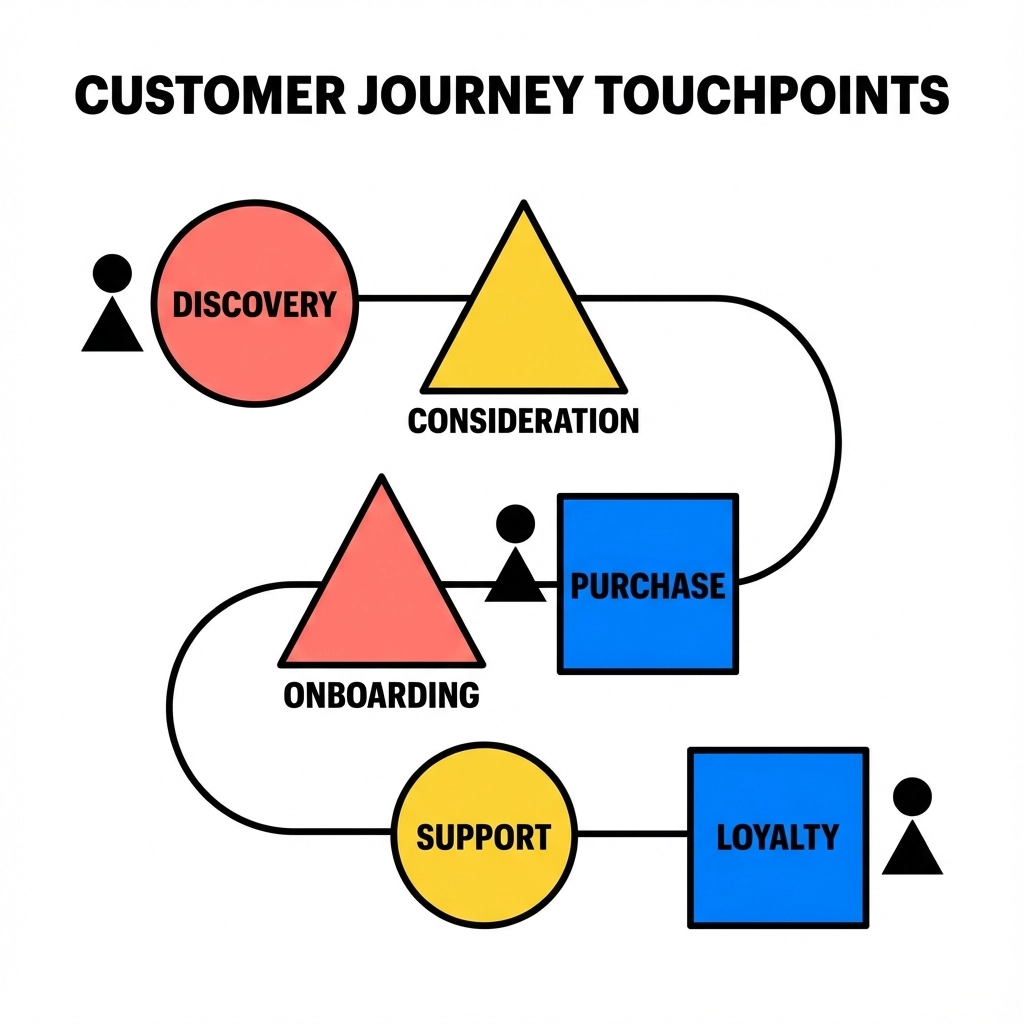
The why behind this step: Unlike massive corporations that rely on generalized customer data, you can create hyper-specific customer personas based on actual interactions. This isn't just market research: it's competitive intelligence that lets you anticipate needs before your customers even realize they have them.
Most agencies will charge you thousands for customer journey mapping. Here's the transparent truth: you can start this today by simply organizing the data you already have. Your sales conversations, email responses, and social media interactions are goldmines of insight that big brands pay consultants millions to uncover.
Step 2: Master Channel-Specific Strategies That Actually Convert
Here's where most small businesses (and their agencies) completely drop the ball: they treat every channel like it's the same audience with the same expectations.
Wrong approach: Posting the same content across Facebook, Instagram, LinkedIn, email, and your website.
Smart approach: Adapting your core message to each platform's unique strengths and audience behavior.
Your Twitter audience wants quick, punchy updates with personality. Your email subscribers want deeper stories and exclusive insights. Your Instagram followers want visual inspiration. Your website visitors want detailed information and clear next steps.
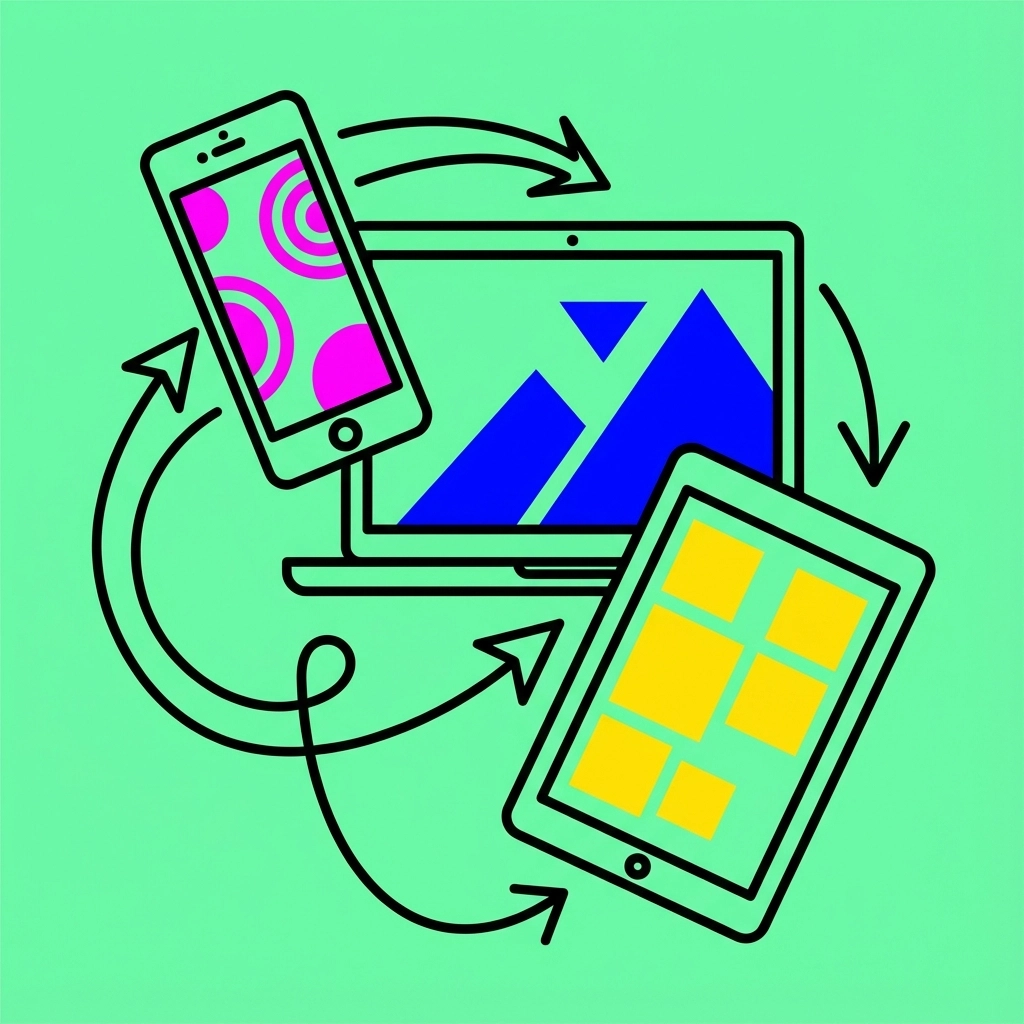
The game-changer for small businesses? You can pivot faster than any big brand. Notice your LinkedIn posts getting more engagement than expected? Double down. Email open rates dropping? Test new subject lines within days, not months.
Here's the why: Major brands have approval processes, brand guidelines, and committees. You have agility. Use it. When you adapt your messaging to each channel's best practices, you're not just competing: you're often delivering a better experience than brands with 100x your budget.
Step 3: Create Seamless Cross-Channel Experiences
This is where the magic happens: and where most small businesses completely miss the opportunity.
Seamless doesn't mean identical. It means connected.
Your customer sees your Instagram post, visits your website, signs up for your email list, gets a welcome sequence, and eventually makes a purchase. Each step should feel like a natural continuation of the conversation, not a completely different brand experience.
Key elements of seamless omnichannel marketing:
- Consistent brand voice (but adapted to each platform's style)
- Connected data systems that remember customer preferences across channels
- Strategic follow-up sequences that guide prospects through your sales process
- Unified customer service that has context from all touchpoints
The secret sauce? AI-powered marketing systems that actually make this manageable for small businesses. While big brands need entire IT departments to connect their marketing tech stack, smart small businesses use integrated platforms that handle the heavy lifting automatically.
Step 4: Leverage Data for Smart Personalization
Big brands collect data. Smart small businesses use it.
Here's what personalization looks like when done right:
- Website visitors see content recommendations based on their browsing history
- Email subscribers get product suggestions based on past purchases
- Social media followers see targeted ads for items they actually want
- Return customers get exclusive offers that match their buying patterns
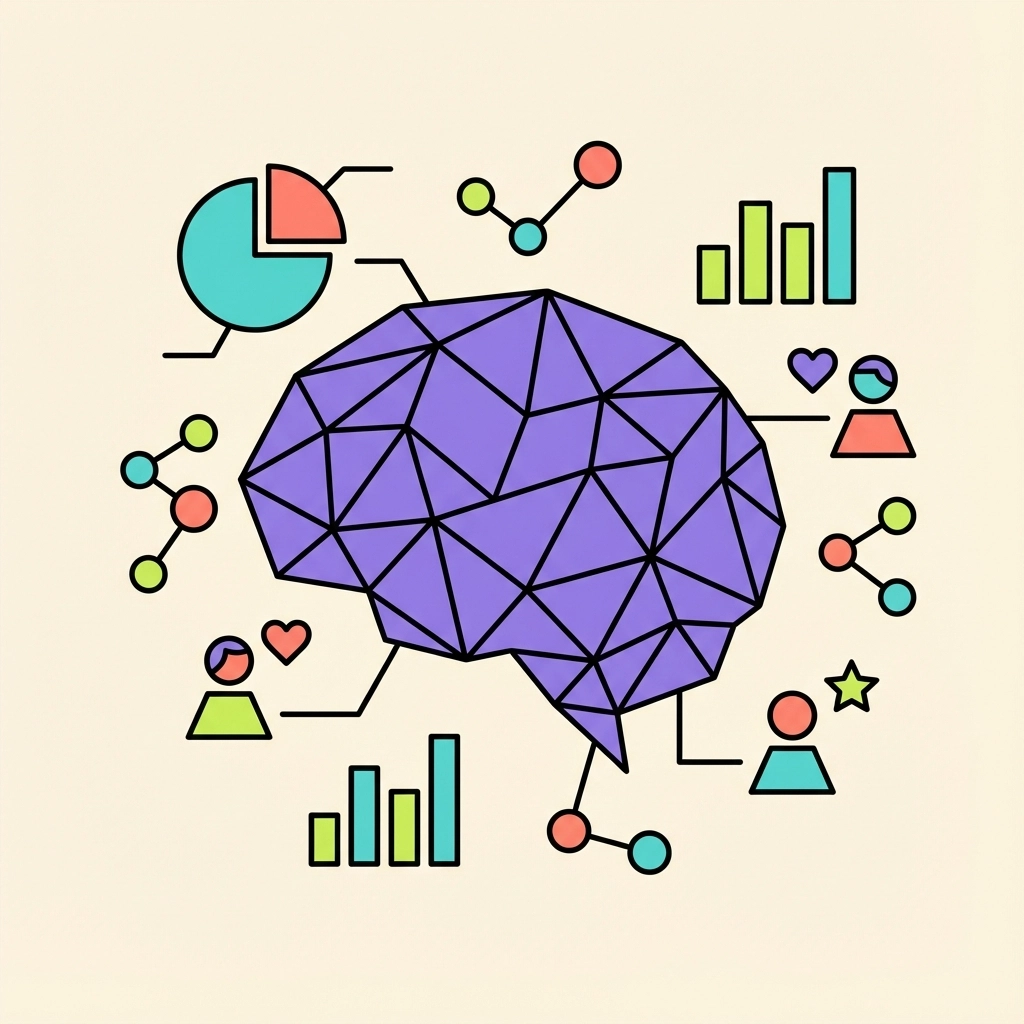
The transparent truth about personalization: 63% of smartphone users are more likely to purchase from companies offering relevant product recommendations. This isn't about being creepy: it's about being helpful.
Most marketing agencies overcomplicate this with expensive automation tools and complex workflows. Here's what actually works for small businesses: start with email marketing automation triggered by customer actions. Cart abandonment emails, welcome sequences, post-purchase follow-ups: these simple automations often outperform expensive ad campaigns.
The competitive advantage? While big brands struggle with data silos and privacy regulations, you can create personalized experiences using basic customer information and smart automation tools. Your customers will notice the difference.
Step 5: Start Small, Scale Smart
Here's where traditional agencies get it completely wrong: they want you to launch everything at once.
That's a recipe for burnout and wasted budget.
Smart omnichannel marketing starts with a phased approach:
Phase 1: Master two complementary channels (like email marketing + social media)
Phase 2: Add a third channel that amplifies your existing efforts (like content marketing or paid ads)
Phase 3: Integrate advanced automation and personalization
Phase 4: Expand to additional channels based on proven results
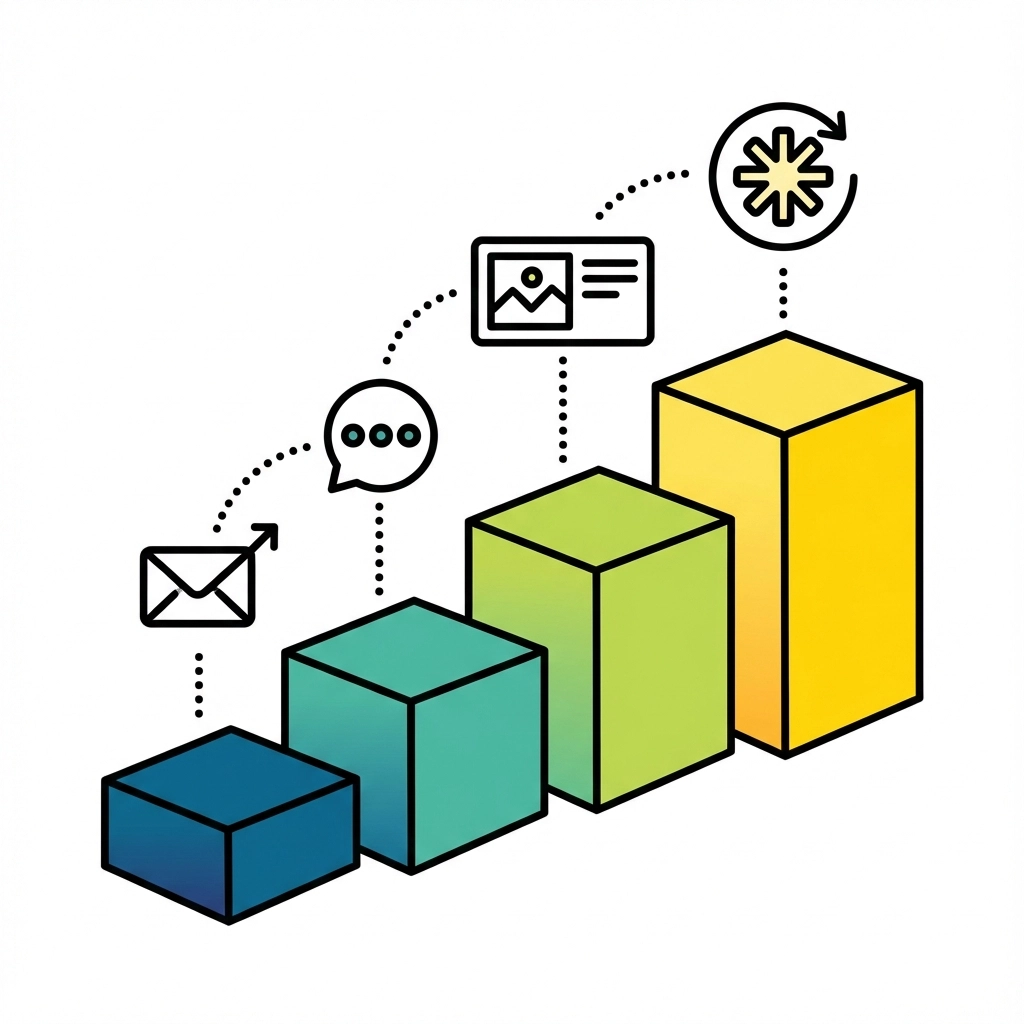
The why behind this approach: You need to walk before you run. Each phase builds on the previous one, creating a solid foundation instead of a house of cards. Plus, you're generating revenue and learning what works for your business throughout the process.
Big brands can afford to test multiple strategies simultaneously. You need measurable results from each investment. This phased approach ensures you're scaling based on data, not hopes.
The 360 Viewbox Advantage: Why Bundled Beats Fragmented
Here's what most small business owners discover too late: working with separate specialists for web design, social media, email marketing, and advertising creates expensive chaos.
Your web designer doesn't talk to your social media manager. Your email marketing specialist doesn't coordinate with your ad agency. Your brand message gets diluted, your data gets scattered, and your budget gets stretched thin.
The bundled approach changes everything.
When strategy, design, and execution work together from day one, you get:
- Consistent brand experience across every touchpoint
- Connected data systems that inform better decisions
- Transparent reporting that shows exactly what's working (and why)
- Faster pivots when opportunities emerge
Most importantly? You get results-focused strategies designed around your specific goals and budget, not generic templates applied to every client.
Your Next Move
Competing with big brands isn't about matching their budgets: it's about being smarter with yours.
Start with step one: map your customer journey using the data you already have. Then choose two channels where your customers are most active and begin creating connected experiences between them.
The small businesses winning in 2026 aren't trying to be everything to everyone. They're strategically focused, data-driven, and ruthlessly efficient with their marketing investments.
Ready to turn your marketing from scattered tactics into a unified growth engine? Let's build something remarkable together.